Home / Services
Two kinds of painting. The same care either side of the wall.
Inside, it’s walls, ceilings, trim, doors, feature walls and basements. Outside, it’s siding, trim, porches and front doors. Here’s what’s actually involved in each, including the parts nobody enjoys.
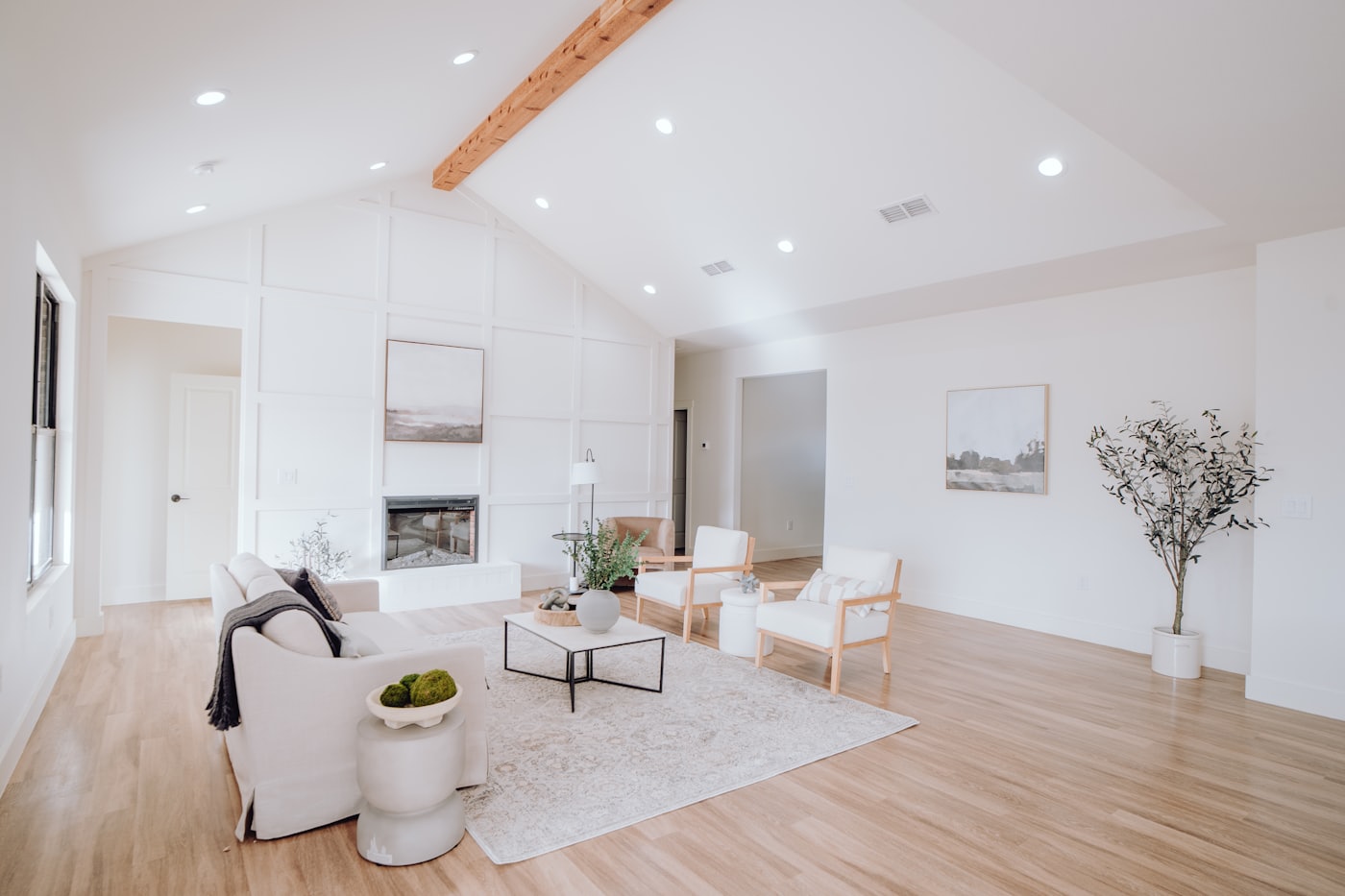
Interior painting
Most of the work Keith does is interior — a room at a time, a whole floor, or a house being made ready to live in or sell. It’s all the same job done to the same standard: proper prep, straight edges, and a room you can use again the same evening.
What’s included
- Walls in any room — living areas, bedrooms, hallways, stairwells
- Ceilings, including the flat white refresh that makes everything else look newer
- Trim, baseboards, casings, window frames and stair spindles
- Interior doors, jambs and cupboard doors
- Feature walls, and colour changes that go several shades either way
- Basements and rec rooms, including dark rooms being brought back to light
- Filling, sanding and spot-priming before any colour goes on
How the prep is handled
Furniture moves to the middle of the room and gets covered, floors are protected wall to wall, and switch plates and vent covers come off rather than getting taped around. Nail holes and dents are filled, sanded flush and spot-primed. Anything glossy gets scuffed so the new coat has something to hold on to.
How long it usually takes
In general terms: a single average bedroom is a day’s work, a main floor is usually a few days, and a whole house depends entirely on trim. Big colour changes add coats, and older plaster adds filling time. Keith gives you a realistic window at the walkthrough — and tells you if something has turned up that changes it.
Paint, sheen and coats
Walls, ceilings and trim all want different products, and a bathroom wants something different again. Two coats is the normal starting point; going from a dark colour to a light one usually wants a primer coat underneath first. Sheen gets chosen for the room, not for the tin.
What you can do to get ready
Clear the small stuff — ornaments, books, anything on the windowsills. Take pictures down and leave the hooks. Empty the closet if the closet is being painted. Beyond that, leave it; the heavy furniture is easier to move once the floors are covered anyway.
The part that decides everything: what happens before the lid comes off.
Paint is the easy bit. A finish that still looks right in three years comes from filling properly, sanding properly, masking properly and letting the first coat dry properly. It is slow, dull, and completely non-negotiable.
- Floors and furniture covered before anything else happens
- Holes filled, sanded flush, spot-primed
- Edges cut in by brush, not chased with tape afterwards
- Tools cleaned and the room tidied at the end of each day, not at the end of the job
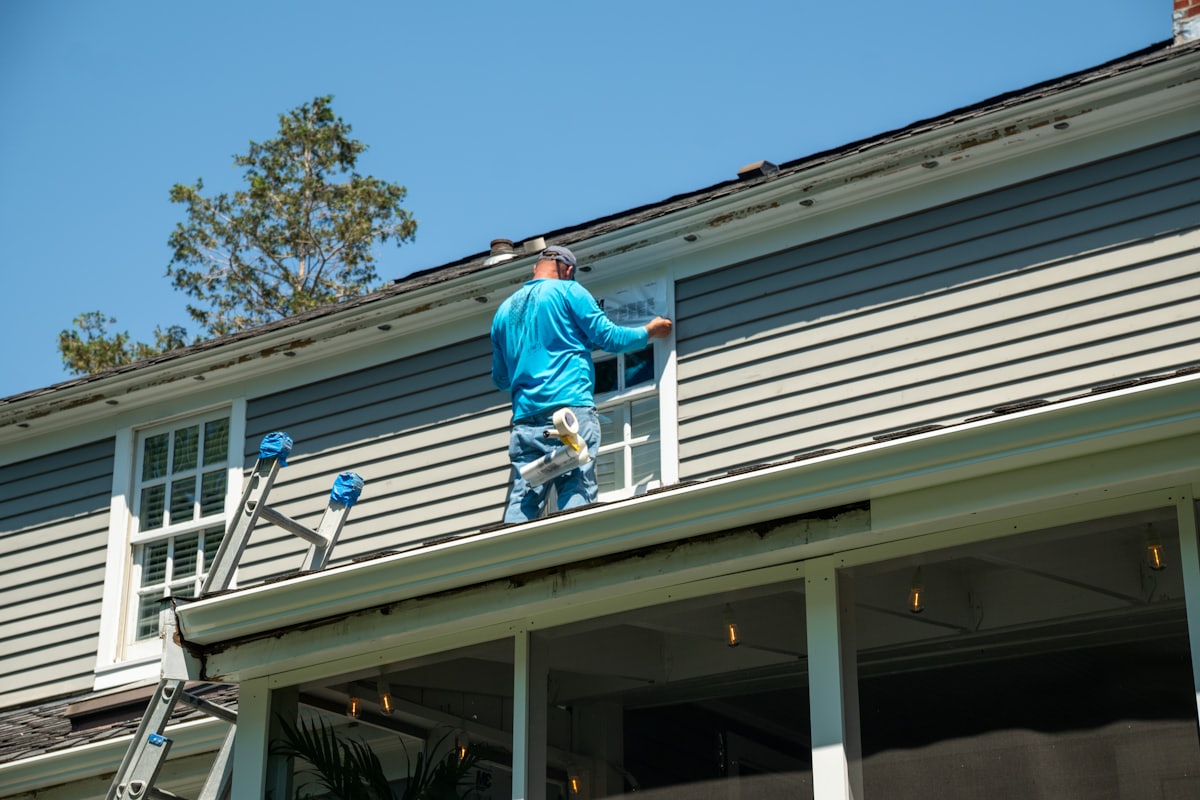
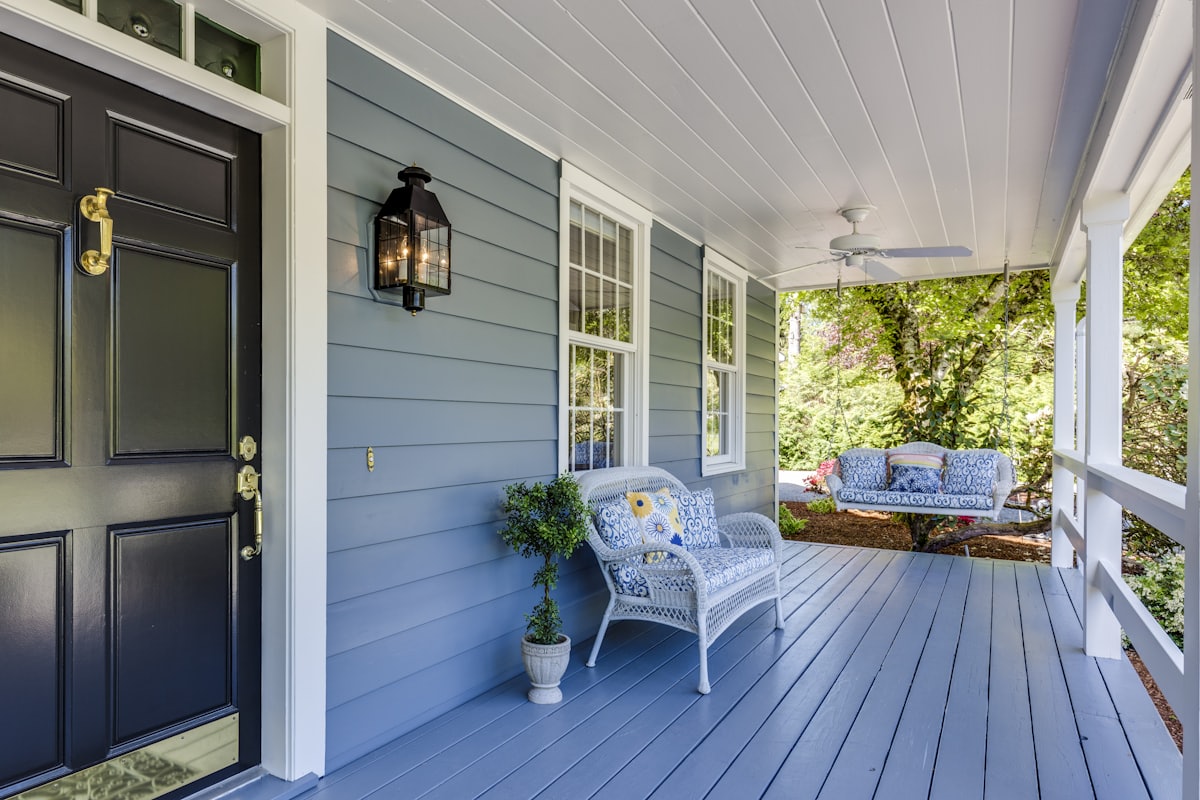
Exterior painting
Nova Scotia weather is hard on a house. Salt air, wind-driven rain and a long wet spring will find every gap in an old paint job. Exterior work is mostly about preparing the surface honestly and then giving the paint the conditions it needs to cure.
What’s included
- Siding — clapboard, shingles and wood cladding
- Exterior trim, corner boards, fascia and window casings
- Porches, verandas, railings, steps and posts
- Front and back doors, including a colour change that lifts the whole front
- Washing down, scraping back loose paint, and priming bare wood
- Touching up the sections that have gone first, rather than the whole house, where that’s the sensible call
How the prep is handled
The surface gets washed down and left to dry. Loose and flaking paint is scraped back to something sound, bare wood gets primed, and gaps that are letting water in get pointed out to you. Windows, glass, decking and anything planted underneath get covered before a brush comes out.
How long it usually takes
In general terms, exterior jobs run longer than the equivalent interior job because of drying time and weather. A porch or a set of doors is short work; a full house of siding and trim is a multi-day job that may pause if the forecast turns. You’ll be told when it pauses and when it restarts.
Weather and the season
Exterior painting happens from late spring through the fall, when there’s a proper run of dry, mild days. Paint that goes on in the damp or the cold doesn’t cure the way it should, and it shows the following winter. If the weather doesn’t co-operate, the work waits rather than getting rushed.
What you can do to get ready
Cut back anything growing against the walls, move the barbecue and the patio furniture clear, and let Keith know where the outside tap and the power outlet are. If there are pets or small children using the yard, say so — it changes where the ladders and the open tins go.
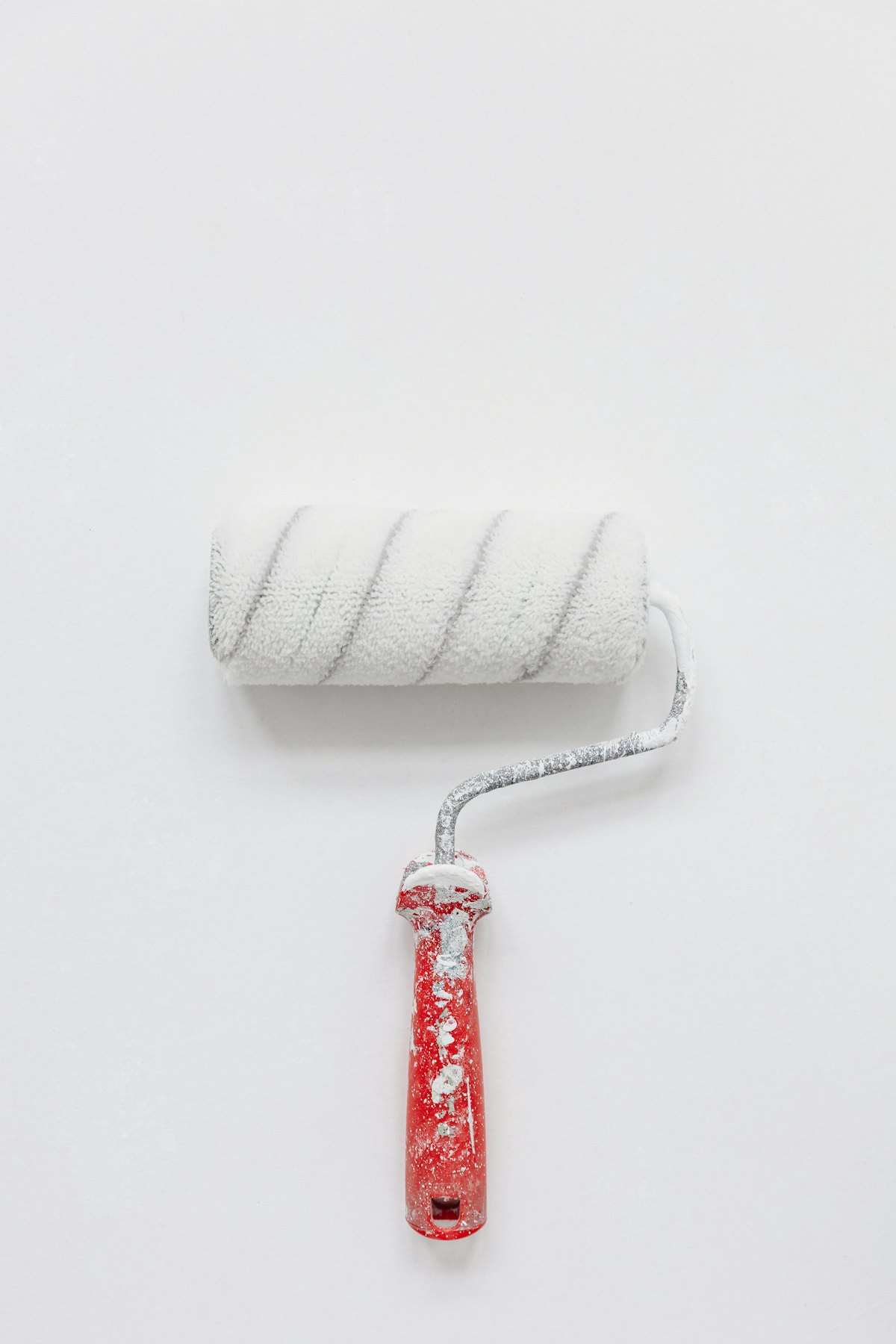
Jobs that come up all the time
Moving in or moving out
An empty house paints faster and better than a full one. If you’ve got a gap between closing and moving in, that’s the cheapest week you’ll ever get painted.
Getting a house ready to sell
Usually a neutral through the main rooms and fresh trim. It’s the one job where restraint is worth more than personality.
One dark room
Basements, north-facing bedrooms and rooms someone painted a strong colour in 2011. Going lighter takes more coats — worth knowing before you start.
Trim and doors only
Walls fine, woodwork tired? Doing the trim and the doors on their own sharpens a whole floor for a fraction of the work.
Not sure which of these you need?
Describe the rooms, or the outside of the house, and Keith will tell you what’s worth doing and what isn’t.